Blog

What is an AC emergency?

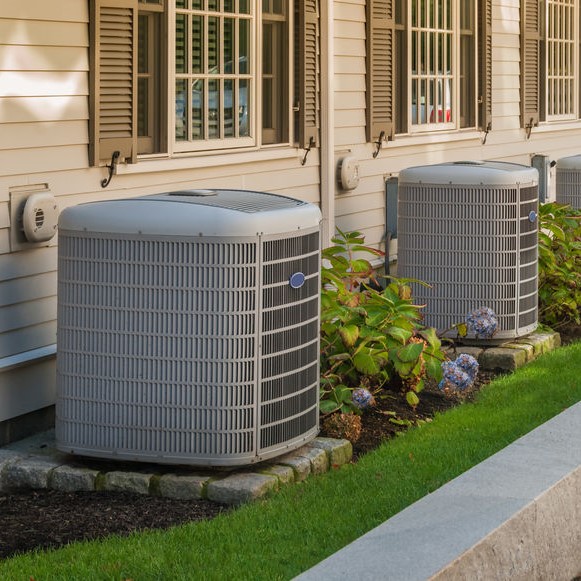
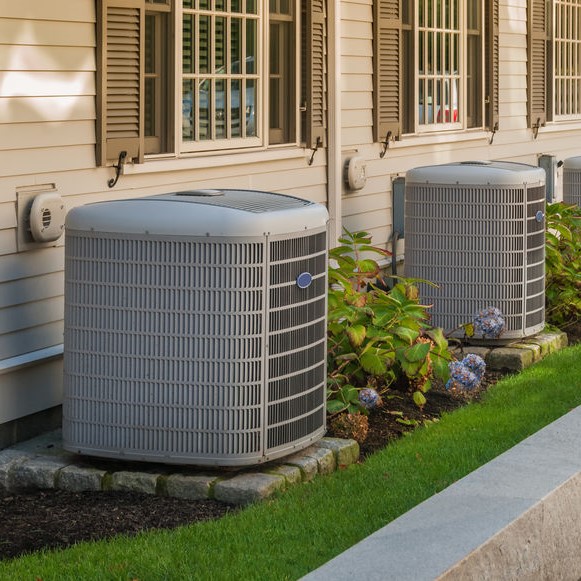
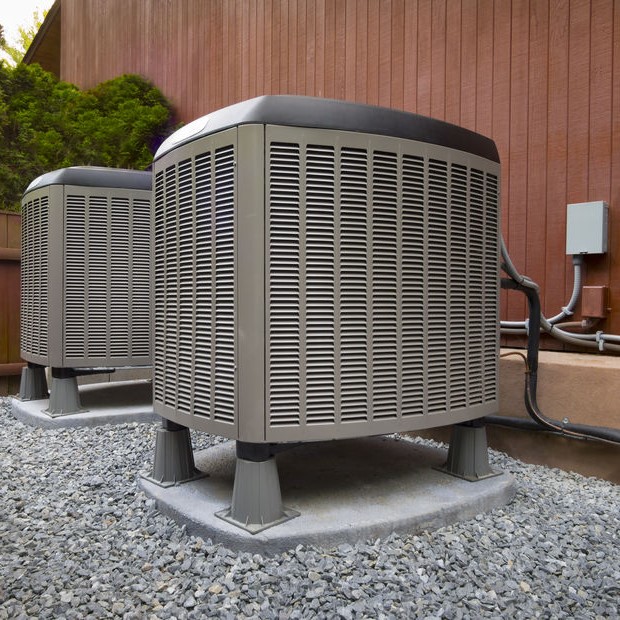
ac units outside

How do you tell if your AC is broken?

Here in the Southern part of the United States, an AC emergency is when the AC isn’t working, and the temperature is 80 degrees or above. However, there are moments that are more defining when it comes to discerning what they consider an emergency ac repair service call request. 

Most of the time, your HVAC system will send signals that there is a problem brewing, giving you the opportunity to find somebody that knows how to do ac repair before your unit totally breaks down. Catching these things before it happens is much easier, faster, and less expensive to fix than to wait until it has completely quit working and have to call an emergency ac repair service call. Here are five signs that your air conditioning isn’t working properly: 

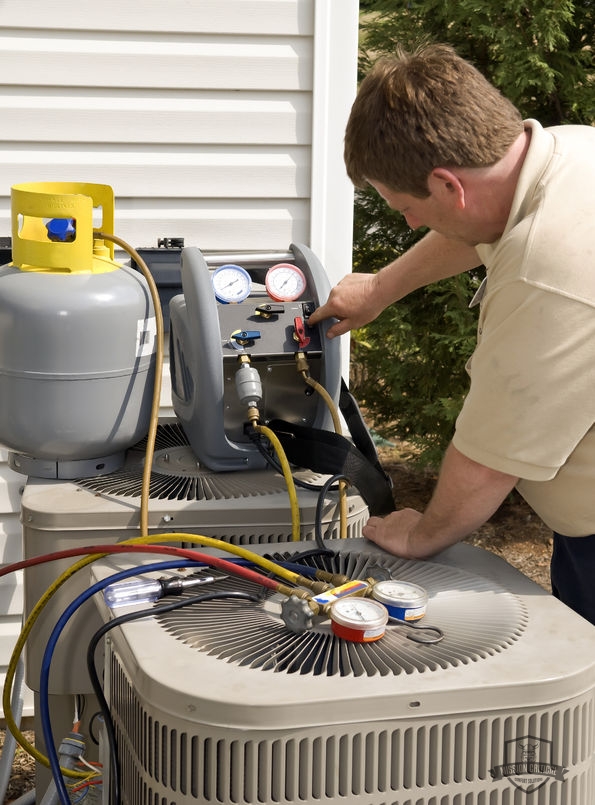
  1. Hot Air: If your air conditioner system is only blowing sultry air, it could be the compressor has quit working or there is a refrigerant leak. Both can be sometimes be repaired, and the repair is much less expensive than replacing the entire HVAC system. The emergency ac repair technician will conduct tests on the compressor and other parts, check for refrigerant leaks, and advise you what they have diagnosed to be the issue. 
  2. Moisture: If you have noticed moisture or water around your air conditioning system, that is a sign that something is wrong, but it may be a minor issue, like the drain tube is blocked and the condensation is backing up. This does not makes an emergency ac repair, but it constitutes getting tended to immediately before it becomes an emergency ac repair. Check the drain and drain tube, clear any obstruction away and clean up the water. If the drain is working and the moisture appears again, it is possible you have a refrigerant leak, and that is an emergency ac repair. 
  3. Sounds: An air conditioner that is running correctly should run quietly. A quiet, steady noise coming from the motor is a normal sound. The sounds that aren’t normal is a grating, grinding, or squealing sound. When you hear any of those noises, you need to make that emergency ac repair service call immediately after you have turned the system off. These sounds mean something isn’t working properly and leaving the system on could burn up the motor or other components inside your air conditioning system. 
  4. Smells: A strong and powerful smell could be the insulation in and around the air conditioning system is burning. It can also be from mildew and mold. Either way, you need a professional service to inspect your system and make any repairs needed. If the smell is a burning smell, turn the system off and make an emergency ac repair call. If the smell is mildew or mold, clean what you can around and inside the general area, like the drain, and replace the filter. If that doesn’t clear the odor, then call for a basic service call to have your system professionally inspected and cleaned.  
  5. Humidity: Your air conditioner pulls the humidity from inside your home if it is proper working order. If you notice water pooled around windows or the air in your home is sticky feeling, this is a sign that your air conditioning system isn’t working right. It isn’t a need for an emergency ac repair call, and you can change the filter, that may help.  Otherwise, you need to get a professional scheduled to check your system out and make sure all is in working condition.   

Is air conditioning not working an emergency?

If your air conditioner isn’t keeping you cool enough, is that what is an ac emergency is? Failure of an air conditioning system is NOT always considered an emergency – in general. However, we all have a different level of discomfort with heat, so if it is miserable hot to you and your air conditioning system isn’t cooling your house fast enough for you, it is your opinion and your bank account if you want to make that emergency ac repair call. Remember, after hours and off-days are charged a higher rate by HVAC service people. 

What is considered an air conditioning emergency?

The following situations constitutes as an emergency ac repair and you should contact your air conditioning service company immediately: 

  • Strange Noises: A loud screeching sound could be a loose belt or the compressor freezing up. Turn the unit off and make that emergency ac repair service call.  Do not turn the system back on until the technician has a arrived, inspected, repaired, and gives you the all-clear sign. 
  • Air Flow: If there isn’t any air flow coming from your air conditioning unit, this could be sign that your system has a major failure and you need to make that emergency ac repair service call.  This is something that a trained professional needs to inspect and diagnosis. 
  • Unusual Odors: If you smell something burning coming from your air conditioner system, it could likely be something with the electrical components within the system. Turn it off immediately and the make that emergency ac repair service request. 

Here is a list of the most common types of emergency ac repairs that technicians all around the country experience with emergency ac repair requests:

  1. Unusual Noises and Sounds
  2. Warm Air Blowing from Vents
  3. System Repeatedly Cycling Fast
  4. Ice Inside or Outside the System
  5. Humid Inside House with Air Conditioner Running
  6. Unpleasant Odors
  7. Air Current is Weak
  8. Breakers Keep Tripping
  9. The Fan Not Blowing
  10. Thermostat Not Working
  11. Air Conditioner Not Blowing Cool
many units outside apartment

How much does emergency HVAC cost?

Emergency ac repair cost will vary between cities, states, and regions of the country. The far northern areas of the country, where air conditioning isn’t typically needed, will have different rates than in the southern areas of the country like in Georgia, emergency ac repair rates are lower. The same is true of emergency heat repair is likely more expensive in the northern part of the country.  

The cost for an HVAC emergency service will be more than a basic service call, no matter where you’re located.  Emergency can double or triple the rate for an emergency ac repair service call, starting around $150 and reaching as high as $600. Emergency rates apply to any calls after 5pm Monday – Friday, on holidays and weekends.

So, how long should an air conditioner last? A well-maintained air conditioning system can last 20 years, maybe longer. By well maintained, this means regularly changing or cleaning of the air filter and keeping debris away from the exterior unit. It also means having a professional inspection of your unit twice year to make sure everything is in proper working order.  That service call can save you a lot of money by not having to make that emergency ac repair service call. Dial 478-960-5825 today for your ac needs.
Why is energy efficiency important?

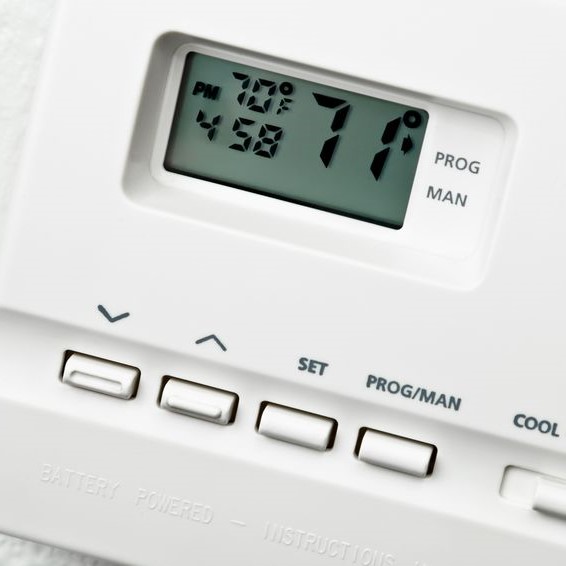
thermostat set way too low

How does energy efficiency affect the environment?

Energy efficiency is defined as using less energy while providing the same level of energy. It is using a more efficient technology or process the energy needed while reducing human greenhouse gas emissions. Energy efficiency is usually obtained through in our homes can come from many sources.  The choice of appliances in our homes, installing insulation, new roofing, new windows, they type of vehicle we drive. Things like the light bulbs we use and buying products made from recycled material and disposing of our waste in a recycling manner.   

We don’t always see the affect because it isn’t blatantly obvious, but the energy we use has a direct connection to the environment. From every light we turn on, every gallon of water we waste, every time we get in our vehicle, we are consuming power that comes from the environment or goes back into the environment.  It is only with energy efficiency products and ways that we can have a positive effect on the environment. 

What are examples of energy efficiency?

We can consume less power to reduce the toxic fumes from the power plants by switching to other power sources like LED light bulbs and solar power. By going solar with as much as possible, we are conserving our natural resources and protecting the ecosystem. We can do our laundry in cold water and hang them to dry instead of using hot or warm water and not using a clothes dryer. We can all practice energy efficiency with examples like these: 

  • Repurpose: Since we’ve already used energy and resources to make things, let’s use those things! Repurpose an old building using recycled materials and products. 
  • Passive Designing: Design structures with more windows so less electricity is needed. Build cool buildings in the south and warm buildings in the north.   
  • Use Free Resources:  Solar energy is free. Using solar panels is capturing that free energy instead of using generated electricity, a great energy efficiency way to live. 
  • Design with Efficiency: Design and build things with engineering that will use less energy. One example is the incandescent light bulb versus the LED light bulb with 5% energy efficiency versus 20% energy efficiency. 
  • Our Way of Living: Making small changes to our lifestyle can make huge impact on energy efficiency like living closer to work and changing dress codes in the office for summertime. 
  • Powering Down: A huge source of energy efficiency is to turn off anything you’re not using, like extra lighting indoor and outdoor, televisions, fans, computers, etc. 
  • Maintenance and Upkeep: By doing the maintenance and upkeep around our homes, this keeps things like the air conditioner and appliances running property is a great source of energy efficiency. 
  • Reduce Waste: Fixing water drips and leaks, adding insulation to the attic, and other energy saving measures is one of the best ways a home can have more energy efficiency. 

How can we increase energy efficiency?

You may feel like you’re practicing energy efficiency all you can at home, there may be a few more things you can do. The following things may cost you money upfront, but in the long run, the money you’ll save will be a bonus.

  1. Upgrade Appliances and More: If your home has appliances, air conditioning, or heating that is more than fifteen years old, you will save a lot money over time with new components that are designed for energy efficiency.  Other home improvements that will help your home with energy efficiency and sustainability is new doors and windows and adding insulation to the attic and improving the ductwork can do wonders for both.
  2. Programmable Thermostat: Purchase a programmable thermostat will enhance the cooling and heating efficiency by being able to set the climate control to achieve optimal temperature at a minimal cost. Once you have the temperature settings to fit your home’s occupancy, it isn’t just a matter of energy efficiency and comfort, but easier too. 
  3. Add Caulking and Reseal Doors and Windows: Not everyone can afford new doors and windows but caulking and weather stripping can improve energy efficiency at a fraction of the cost and still make a difference in the utility bills. 
  4. Add Ceiling Fans: Ceiling fans made a splash in the 1970s and then as home decorating shows took to the airways, they were coming down fast. Now, homeowners are realizing that they created a gentle breeze and circulate the air too. During the summer, they keep the hot air up and during the winter, they keep the warm air down. Both are energy efficiency that save you money on utilities.   
  5. Water Energy Efficiency: Install low-flow faucets, showerheads, and toilets that use the minimum water needed to accomplish the job needed. These are fairly easy to install and within just a few months, you will notice the savings on your water bill. Next time your water heater needs replacing, go with the new tankless style that produces hot water on demand, using less energy than the traditional water heater. 
  6. Light Improvements: Each time you have to replace a lightbulb around the house, use a CFL or LED bulb instead of the traditional light bulbs will be energy efficiency and money saving too.  Replace a light fixture each month and you’ll notice a savings on your electric bill, and if you can’t afford new lights, go natural as much as you can using the light from the windows. 
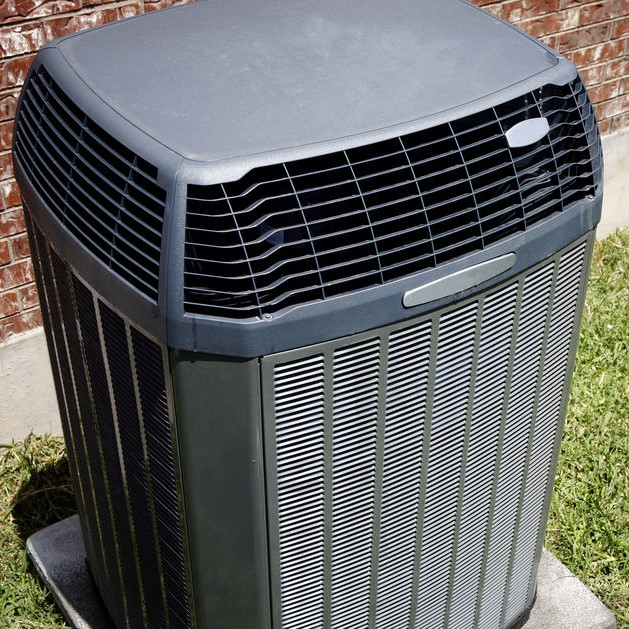
HVAC system

What are the benefits of energy efficiency? 

Homeowners that improve energy efficiency and practice sustainability in their homes will have benefits for themselves and the earth:

  • Lower utility costs
  • Reduced energy demands
  • Healthier living conditions
  • Reduced greenhouse gas emissions
  • Lower home and health insurance costs

If you’re still wondering “How can I use less energy?”, watch for those energy efficiency vampires around your home. Unplug cords to things that go to things you aren’t using at that moment. Unplugging the coffee maker or toaster each morning can save as much as 20% annually on your energy bills. 

Be smarter with your laundry days by doing only full loads and cold water. Be sure tore change or clean your air conditioner or HVAC filters every 30 days, and where possible, find other ways to cool and heat your room. Dial 478-960-5825 today for your energy efficient AC needs.

Why is my air conditioner running but not cooling the house?

HVAC system outside a house

Air conditioner not working

You probably don’t think twice about air conditioner refrigerant, most people don’t. When the summer days heat up, you want the air conditioner cooling, but what if it isn’t? How do you troubleshoot a home air conditioner? Here are some suggested DIY troubleshooting tips to try before you call the repairman:  

  • The Air Filter: If you haven’t replaced or cleaned your air filter in some time, it can affect the air conditioner cooling.
  • The Thermostat: Make sure it is on COOL not HEAT and set at a cooler temperature.
  • The Circuit Breaker: If the air conditioner won’t turn on at all, check the circuit break.
  • The outdoor component: Is it covered in dirt, filled with ice inside the vents?
  • The air vents: Check each room and make sure all the air vents are open.

Some of these things can cause the cooling lines to freeze up with air conditioner refrigerant. Once you have checked each of these troubleshooting tips, you’re still not getting frosty air from your air conditioner, you must call an authorized, experienced repair service.

The sooner the better, and not because it’s getting hot and they’re getting busy, but because the longer you wait, the problem could get worse. How? If there is any water leaking from the system into the attic walls or under your house, the problem will grow into a bigger problem.  

How do I find a leak in my AC?

Budgets are tight for everyone, so it is understandable that you want to do as much as you can yourself when it comes to home repairs, like your HVAC system. Fortunately, technology has come to the public so that you can purchase some equipment, supplies, and tools, like air conditioner refrigerant, that once were only available to authorized, experienced, and licensed technicians. 

However, if you don’t know how to correctly us them, you could do more harm than good. As we provide you the following steps for checking the air conditioner refrigerant to your HVAC system, make sure you read the instructions and follow the directions. You may ask yourself, “Is air conditioner refrigerant harmful?” and we have to give you an astounding YES!  It must be handled with care and used properly. If this gives you any doubt, call a reputable air conditioning repair company. Err to the side of safety, not budget. 

Dye

An effective way to check for air conditioner refrigerant is injecting fluorescent dye into the HVAC system and turn the system on. Once the dye has had time to circulate through the system, if there are any leaks, you should see the dye using a detection lamp.

Electronic

Another leak detection method is an electronic device that scans refrigeration components on the outside component. It sounds an alarm when it detects a leak. An electronic leak detection device is compatible with the refrigerant in the lines, so make sure you purchase the right device. 

Oil

An air conditioner refrigerant leak is usually detected by oil leaking from the HVAC system, it is hard to miss since it is a dark, thick consistency. If there is oil around your HVAC system, call an authorized repair technician. There could be more than just an air conditioner refrigerant leak.

Nitrogen

The nitrogen leak detector is the more popular among technicians because the results are more accurate. However, you must remove the remaining air conditioner refrigerant that is in the system first, then pump the nitrogen into the system. If there is a leak, you’ll hear a distinct sound at the leak. 

Soap Bubble

For the non-professional, this is the safest way to check for air conditioner refrigerant leaks. Mix soap and warm water and inject into the HVAC system. If there are leaks, you’ll see bubbles. Mark those areas so that the HVAC technician will know exactly what needs to be repaired or replaced before recharging your system with air conditioner refrigerant. Now you’re probably asking, “Can I put refrigerant in my home AC?”, and the answer is no. Handling air conditioner refrigerant has significant risks associated and for the untrained person with the proper equipment, the dangers of asphyxiation, flammability, toxicity, and there are legal consequences too. By stipulations set within the EPA has set, only a certified professional can purchase and perform the procedure.

Dealing with AC refrigerant leaks and air conditioner refrigerant charge can be stressful. Before you explore the possibility of doing this yourself, ask yourself if you can afford a new HVAC system. Because if you do this wrong, that is exactly what you could need next: A new HVAC system.

How do you know if your AC needs refrigerant?

These four things are signs that you may needair conditioner refrigerant added to your HVAC system:

  1. The energy bill increased, but your house isn’t feeling any cooler. This typically means your AC must work harder to keep up with the demands of the thermostat.
  2. The vents have warm air coming out instead of chilly air.
  3. You see frost or ice on the coils in the outside component of your AC system.
  4. You’re hearing bubbling or hissing noises coming from the internal component.
two HVAC systems

How do I fix my AC not blowing cold air? 

As we’ve discussed here, there are a few common problems that your air conditioning unit may have: 

  • Air conditioner refrigerant line insulation missing
  • Clogged drain
  • Clogged filter
  • Condensation airflow switch
  • Ice buildup
  • Low air conditioner refrigerant
  • Power issues
  • Thermostat issues

After your unit has reached a certain age, repairing it may not be worthwhile. Any system that is ten years old or older, for example, or if you are consistently having the same problem. Sometimes, investing in a new unit is more a money saver than having it repaired over and over.

With summer here, for most of the country, we’ll be turning on that air conditioner. If run your AC without refrigerant, you will not get cooled off at all. In fact, you will get heated up in frustration.  Call your local HVAC technician today and get your system ready for those hot summer days and nights. For your air conditioner refrigerant recharge in Bonaire and Warner Robins, GA, call 478-960-5825 today.

What is Ductless Air Conditioner?

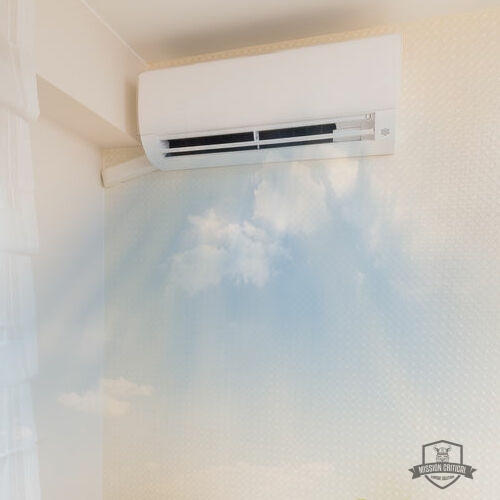
Air conditioner blowing cold air.

Enjoy A Ductless Air Conditioner System

Your air conditioning systems can come in many shapes and sizes, yet one of the most innovative systems in the market today are ductless air conditioners. These systems remove the need for ducts which makes for speedier and more localized air delivery. A ductless air conditioner is a system that can be placed anywhere in the property and are easy to handle. If you’re interested in a ductless air conditioner it’s best to confer with your local HVAC company to see what can be done. Until then, here is some helpful information regarding ductless air conditioners that may be of use to you.

How does a ductless AC work?

A ductless air conditioner works essentially the same as a central air conditioner system in that it produces cool air by sucking away warm air away from your home. It will absorb moisture and heat from the air and then dispose of it outside. A ductless air conditioner, of course, does not have ducts and instead will have an indoor unit that produces air into a room. There will also be outside condenser which connects to indoor units inmost cases.

Which is better ductless AC or central AC?

A ductless air conditioner is less noisy than central AC systems and since condensers are smaller they can be located away from the home to minimize noise. Ducts will also echo noise which can amplify the sounds of moving air. Since a ductless air conditioner uses hoses the echo is not there so the system will be quieter. What’s more, a ductless air conditioner will be more energy-efficient as it is designed to be operational per square feet of space.

How long do ductless air conditioners last?

A ductless air conditioner if well maintained can last up to 20 years. This is longer than most AC options which tend to last anywhere from 10-15 years.

Are ductless AC units more efficient?

A ductless air conditioner will be more efficient with energy use as it cools homes faster. They have fans that can change their speed based on the conditions outdoors and indoors. These variable speed air handlers are in most ductless air conditioner systems.

Are ductless air conditioners noisy?

Ductless air conditioners are one of the quietest ACs on the market with an average noise level of 32 decibels. A ductless air conditioner also has some of the highest SEER ratings and one of the highest efficiency performances as well.

Where to Place Ductless Air Conditioner

A ductless air conditioner is usually mounted on the wall indoors at least 10 feet from the floor, this will avoid sending air to the ceiling. Units can also be installed in the bedroom and should be placed directly above the bed or above your feet on the wall for better comfort.

How long does it take to install a ductless mini split?

A ductless air conditioner can be installed with skilled professionals pretty quickly and without complications. The average installation usually takes 1-2 days for completion yet the length of time will depend on the size of the system and how many indoor air units need to be mounted in the property.

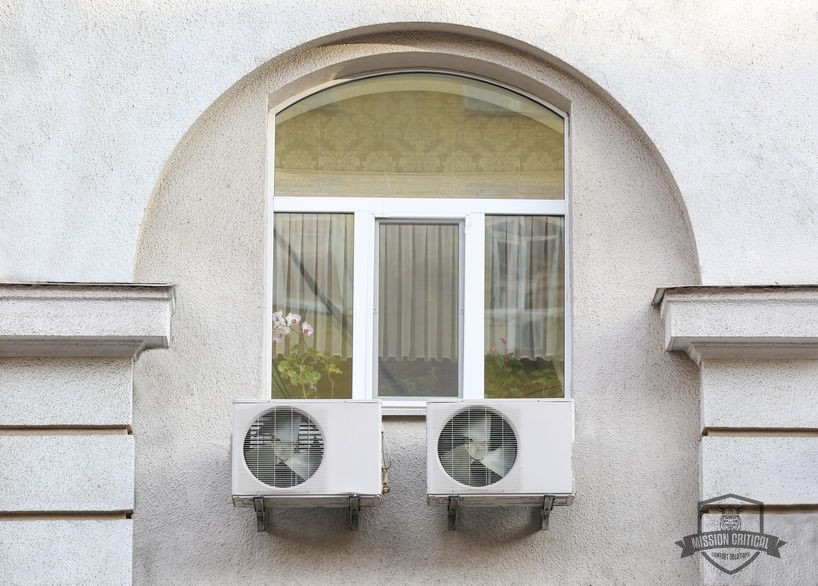
Air conditioners on wall of building, outdoors

What size ductless air conditioner do I need?

Area to Be Cooled; Capacity Needed (BTUs per hour)

  • 150-250 square feet; 6,000 BTUs
  • 250-300 square feet; 7,000 BTUs
  • 300-350 square feet; 8,000 BTUs
  • 350-400 square feet; 9,000 BTUs
  • 400-450 square feet; 10,000 BTUs
  • 450-550 square feet; 12,000 BTUs
  • 550-700 square feet; 14,000 BTUs
  • 700-1,000 square feet; 18,000 BTUs
  • 1,000-1,200 square feet; 21,000 BTUs
  • 1,200-1,400 square feet; 23,000 BTUs
  • Up to 1,500 square feet; 24,000 BTUs

How much does it cost to install a ductless air conditioning system?

A ductless air conditioner will range in price depending on the unit size and if there are indoor and outdoor components. A one-ton unit with indoor and outdoor components at a 21 SEER rating can run from $1,000-$4,000 by the type of the mount or brand selected. A ductless mini-split system can cost $2,000-$14,500 with an average of $3,000 for a 12,000 BTUs system.

Are ductless air conditioners worth it?

A ductless air conditioner is worth it in that the control systems are easy to navigate and energy efficiency is rather high in comparison to other systems. What’s more, since there aren’t any ducts you won’t have to worry about maintenance or repairs from duct damages or air leaks.

Contact A Professional HVAC Company 

A ductless air conditioner will be a great way to amp up the air in your home without sacrificing your energy bills. They can be placed anywhere in the property and come in varying shapes depending on the space you live in. Get in touch with a professional HVAC company to see what kind of ductless air conditioner will work best for you. Get fresh air without the noise today and improve on the value of your home with a ductless air conditioner.

If you’re interested in a ductless air conditioner in Bonaire and Warner Robins, GA call 478-960-5825 with Mission Critical Comfort Solutions!

How Often Should Central Heating be Serviced?

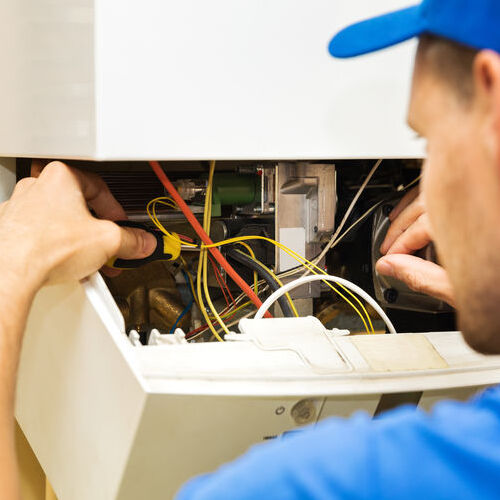
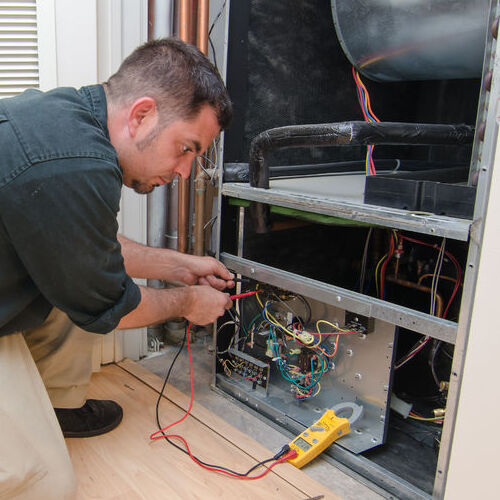
A Technician Repairs a Central Heating Unit.

How often should central heating be serviced?

No matter what kind of heating and cooling system that you have, regular maintenance is a key to the system running properly throughout the year. To avoid major central heating repair problems you should have your heating system serviced at least once per year, preferably in the fall, just before it gets regular heavy use. The same is true for your cooling system. Get it serviced in the spring before heavy summer usage. You should change or clean your filters regularly, about every 30 days is ideal. If your heater isn’t so hot and you need central heating repair and maintenance in Bonaire and Warner Robins, GA, the professionals at Mission Critical Comfort Solutions will provide you high quality service no matter the time of year. Get an estimate and set up services by calling 478-960-5825.

Why is my heater not working in my house?

When your heater has stopped working there could be many possibilities. That’s why it’s important to get a professional out to diagnose the problem. Here are some possibilities that may have caused your heater to stop working or is failing to heat properly.

  • A dirty air filter
  • Leaky ductwork
  • Problem with the pilot light if it’s a gas furnace
  • A broken or malfunctioning thermostat
  • The blower is malfunctioning 
  • A faulty heating element causing the heater to blow cold air

These are just some problems that will require central heating repair. Again, it’s best to consult with an HVAC professional to ensure the problem is diagnosed and repaired properly.

How do I fix my central heating system?

If your heater has stopped working properly you want to get a professional out for major central heating repair. There are some actions you can take, however, before calling out the technicians to troubleshoot the system. The thermostat is the first place to check when there is a problem with your HVAC, especially if you have a battery-operated thermostat. Test the batteries and change them if they are low. Follow up by switching the heat on the thermostat, and if the heat doesn’t come on, check your circuit breaker to see if a circuit has been tripped. You can also check the furnace door. If it isn’t fully closed, a switch inside the door will shut off power to the furnace as a safety measure. 

Next, check your filter. If it is dirty, it needs to be changed. A dirty filter can stifle airflow in the system and even cause the system to shut down. If you have a gas system, check the pilot light or igniter. You can try to reset the igniter by first shutting off the gas reset valve in the unit, wait five minutes and turn it back on. If you have gas and this doesn’t reset the igniter you will need to replace the igniter. You may also want to check your registers. If any are closed, they can affect airflow.

How much does it cost to fix central heating?

Central heating repair costs will vary depending on what needs to be repaired. Average repair costs will run between $131 and $459, although gas furnace repairs may cost as much as $1,200. If you have a boiler system, central heating boiler repair you can expect to pay about $372 on average. The boiler repair costs will be affected by the location of the unit and what parts are broken. If your thermostat has broken, central heating thermostat repair will cost anywhere between $100 and $600.

How much does it cost to upgrade heating system?

There are many reasons you may want to replace or upgrade your heating system. If you currently have a system that’s more than 10 to 15 years old, you probably want to get a new system. Your older system will need more repairs and will unlikely be running at top efficiency. You’ll end up saving money with a new system. You may want to upgrade simply to take advantage of the efficiency of the latest technology, from high efficiency systems to smart thermostats that work in conjunction with your system to keep your home comfortable throughout the year.

No matter why you want to upgrade your system, the costs will vary depending on what kind of system you choose. A new gas furnace, for instance, will cost anywhere between $6,000 and $8,000, while a full central heating system will cost anywhere between $4,000 and $20,000. A high efficiency system will run anywhere between $3,500 to $8,000. A heat pump upgrade will cost anywhere between $1,000 and $2,000. Costs will be affected by any options you choose like air purifiers. Air purifiers run between $1,400 and $2,500.

A Technician Checks a Heater.

Central heating repair near me

When your heater has stopped working properly, you’ll need expert central heating repair in Bonaire and Warner Robins, GA. Rely on the professionals at Mission Critical Comfort Solutions for your heating and cooling needs. We offer a complete range of HVAC services. Schedule services with us by calling 478-960-5825.